Warsaw, Poland
Warsaw '44: In the Footsteps of the Indomitable City
Go through the route passing through the key places of the Warsaw Uprising – from defensive redoubts to symbols of the heroic fight for freedom.
Go through the route passing through the key places of the Warsaw Uprising – from defensive redoubts to symbols of the heroic fight for freedom.
Go through the route passing through the key places of the Warsaw Uprising – from defensive redoubts to symbols of the heroic fight for freedom.
Explore each location at your own pace
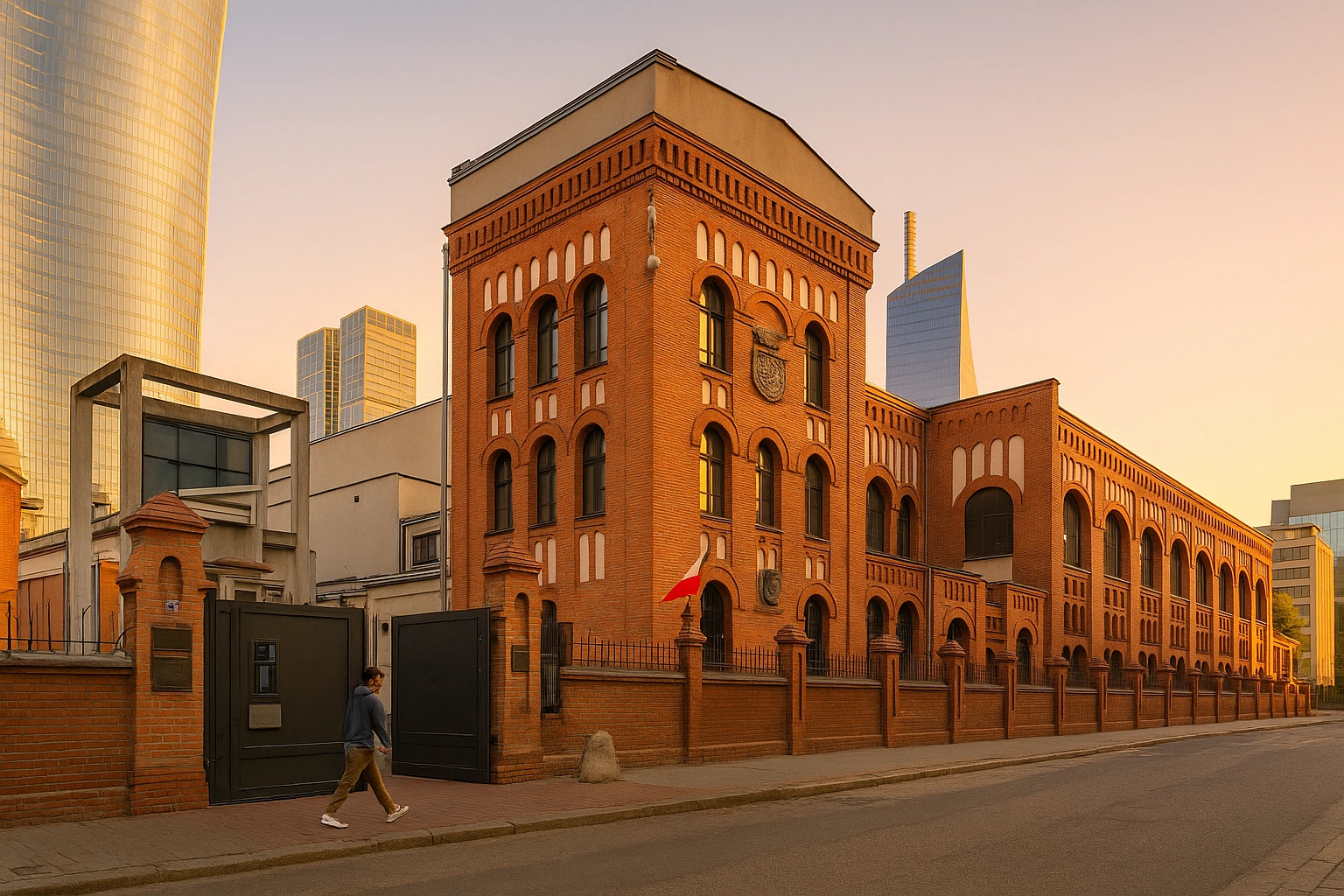
A modern museum located in a former tram power plant. It is not just a collection of exhibits, but an interactive journey back in time to the summer of nineteen forty-four, capturing the atmosphere of the Warsaw Uprising. The central point is a steel monument spanning all floors, emitting the heartbeat - a symbol of the city's life during the battles.
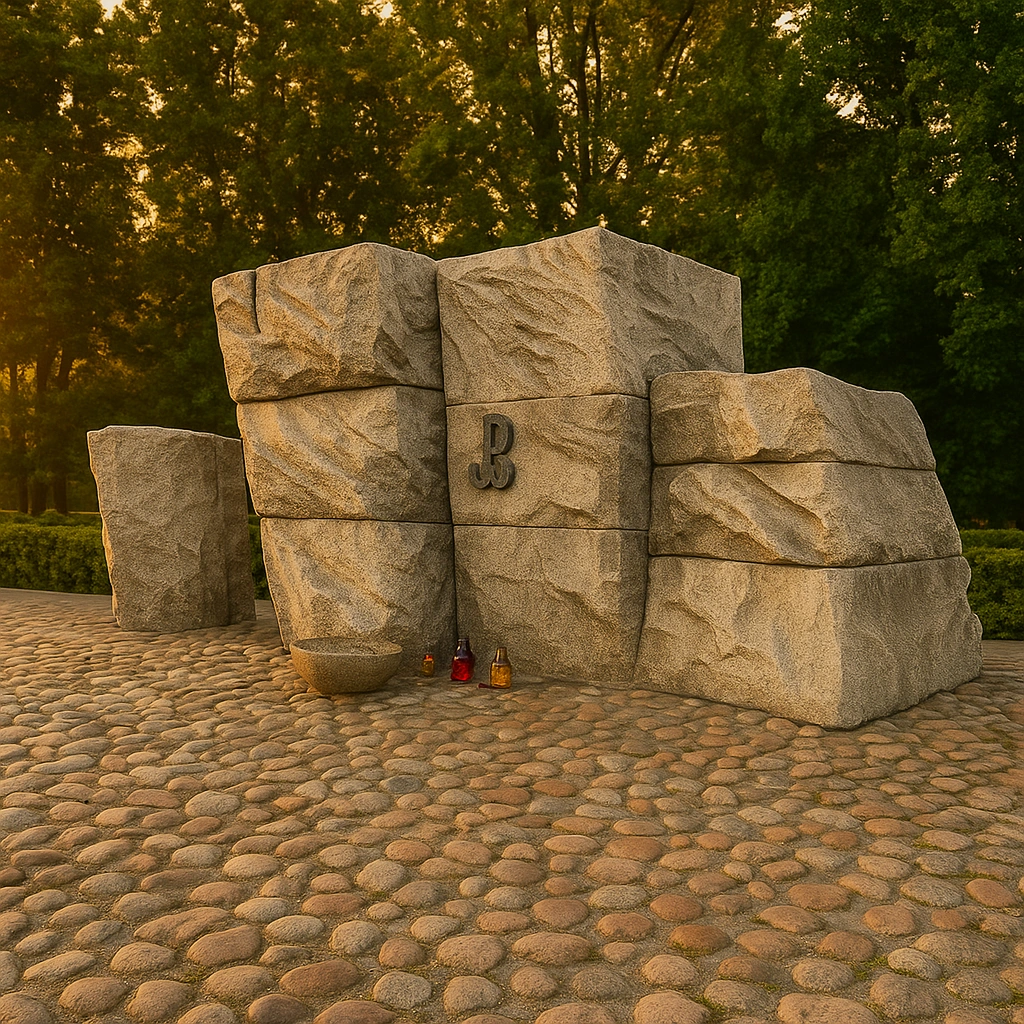
The Warsaw Uprising Cemetery in Wola is the largest war necropolis in Poland. Here lie the remains of over a hundred thousand people - mainly unnamed civilian residents, murdered by the Germans in the first days of August nineteen forty-four, during the so-called Wola Massacre. The central feature is the monument "The Fallen Unconquered" and a mound under which the ashes of the victims were laid to rest.
One of the first skyscrapers in Warsaw and Europe. At the outbreak of the Uprising, it was an extremely important strategic point, occupied by German snipers. After twenty days of heavy fighting, it was captured by the insurgents, which was one of the greatest military and moral successes. At its top hung the white and red flag, visible throughout the area.
The pre-war symbol of modern Warsaw, the second tallest building in Europe at that time. During the Uprising, it became the target of constant German shelling. The image of the burning Prudential, hit by a two-ton missile, became one of the most recognizable images-symbols of the destruction of the capital. Despite immense damage, its steel structure survived.
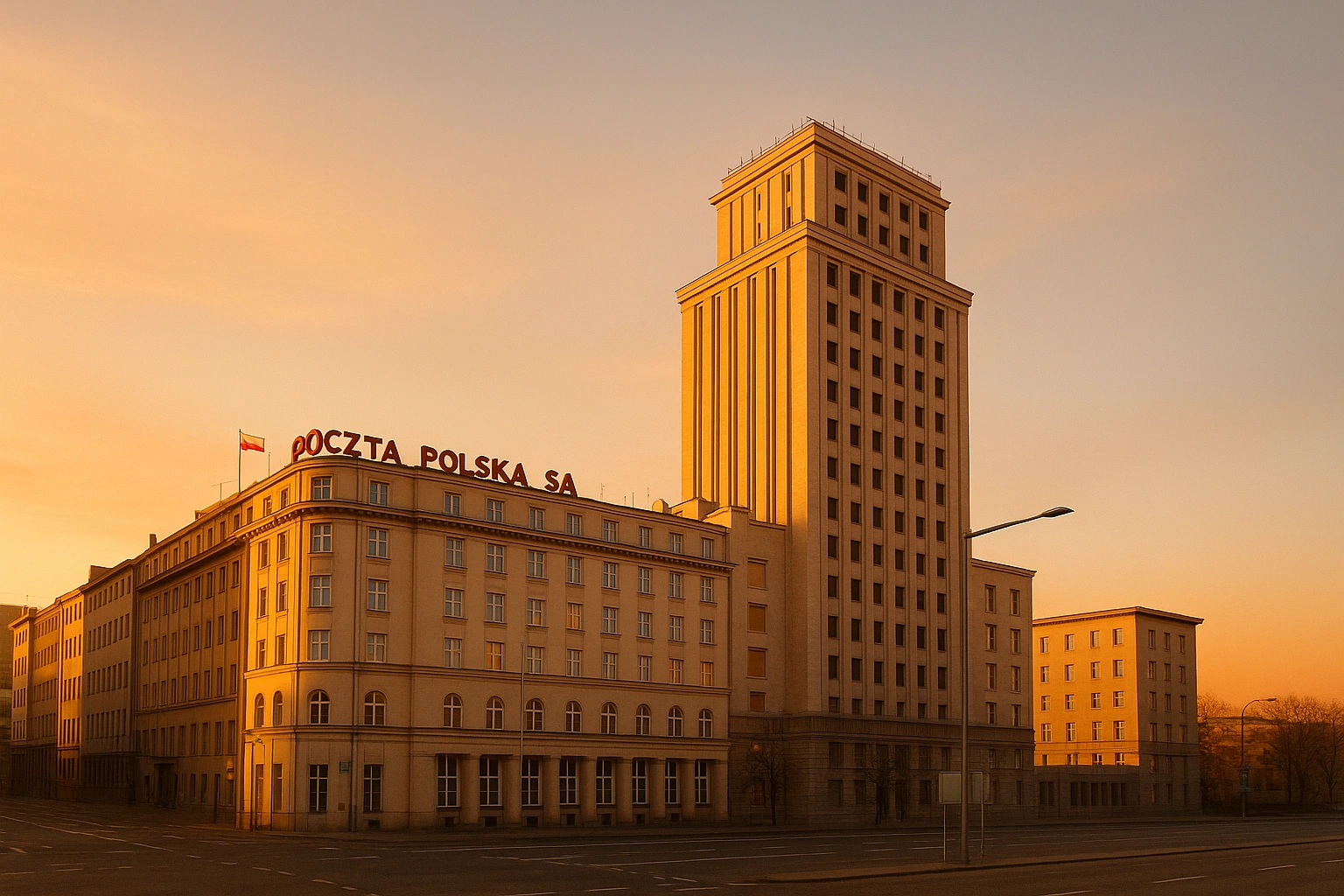
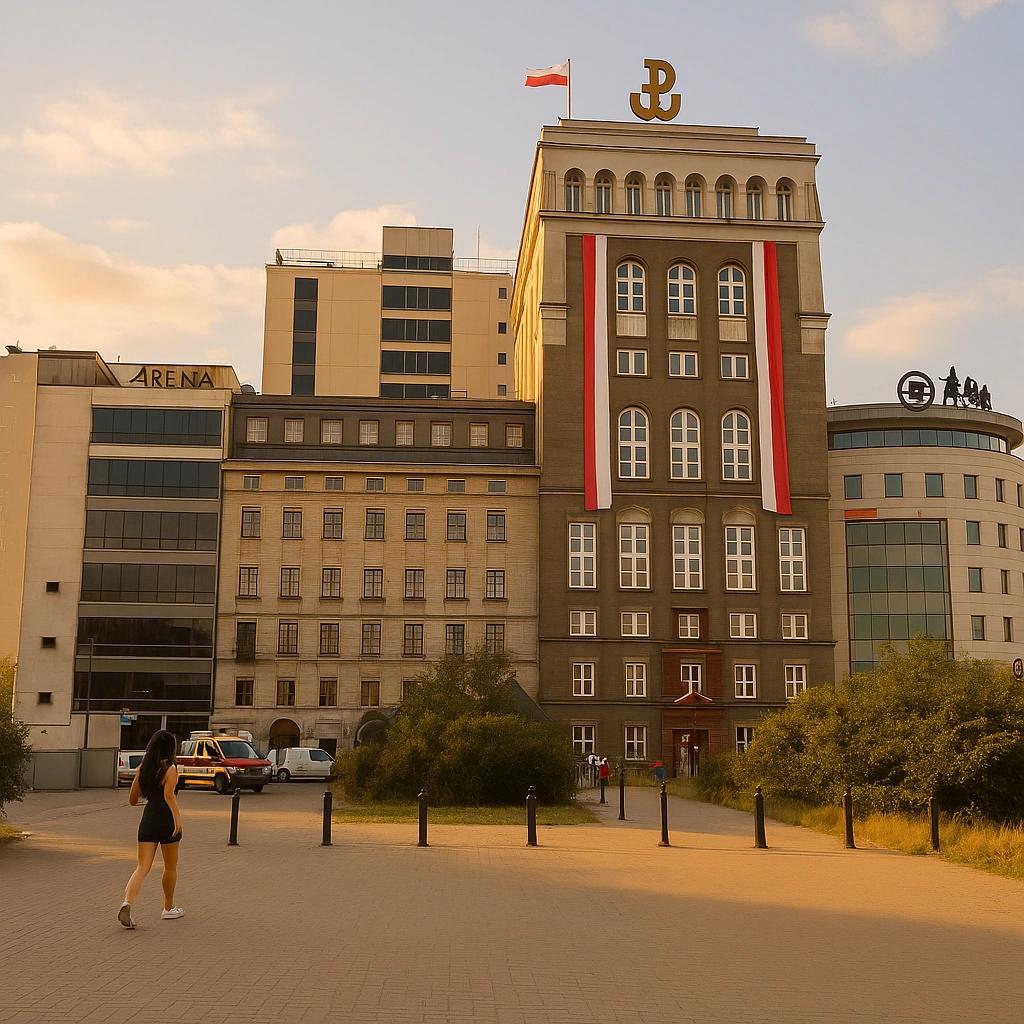
The monumental building of the Main Post Office, located at the strategic Napoleon Square (now Powstańców Warszawy Square), was a key target for the insurgents. Capturing it on the second day of the fighting allowed them to take control of an important communication hub. The building became a defensive stronghold and was held by the insurgents for over a month, despite constant attacks.
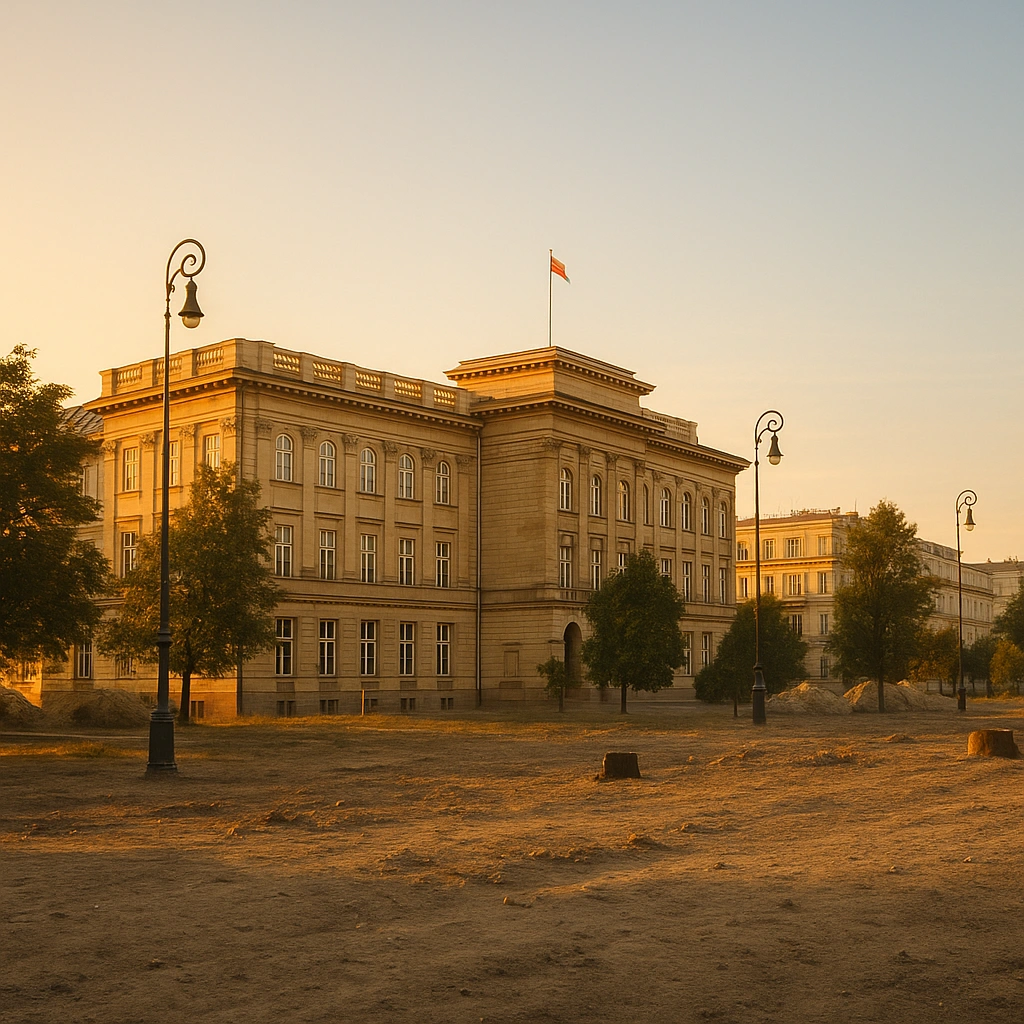
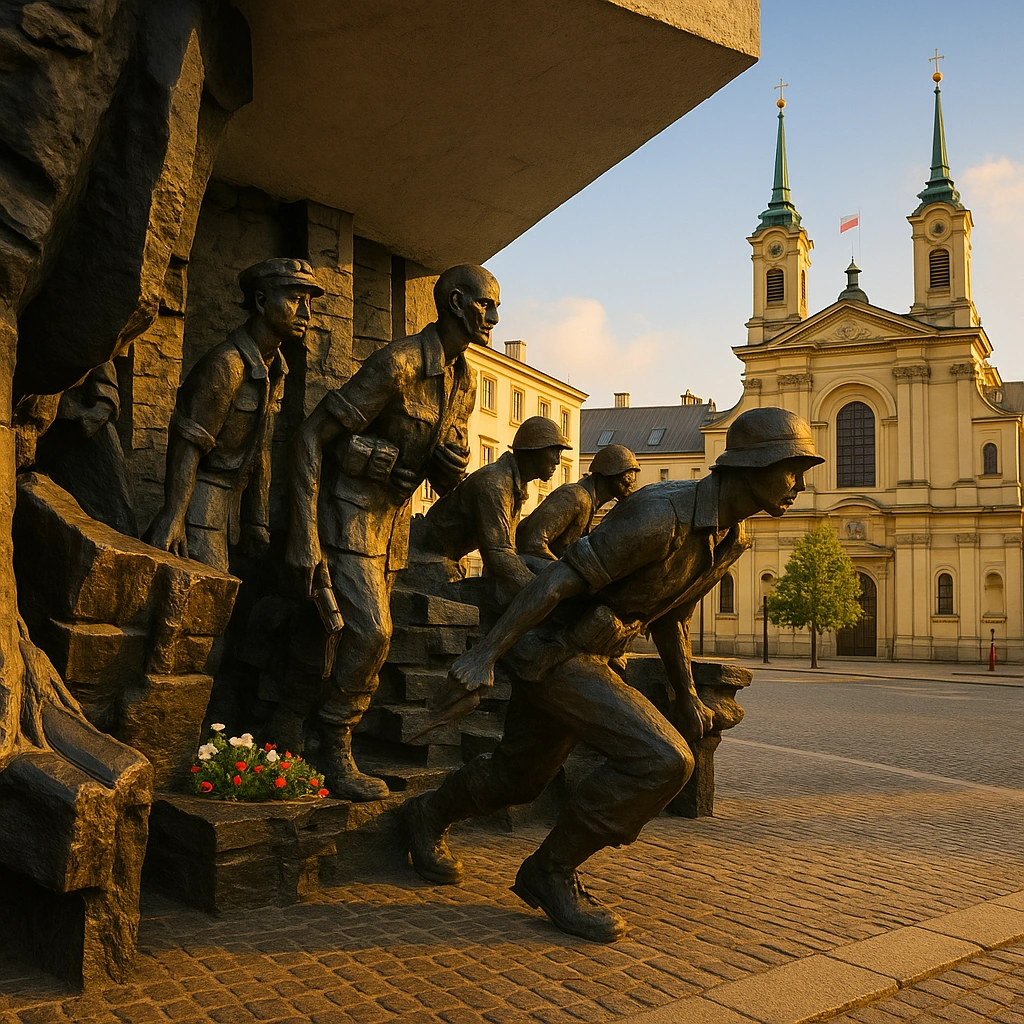
A place of immense symbolic significance. Here stands the monumental Warsaw Uprising Monument, depicting insurgents emerging from a canal. Right next to it is the Field Cathedral of the Polish Army, the spiritual center of the Polish military. During the Uprising, the square and its surroundings witnessed dramatic battles and the evacuation of the Old Town through the canals.
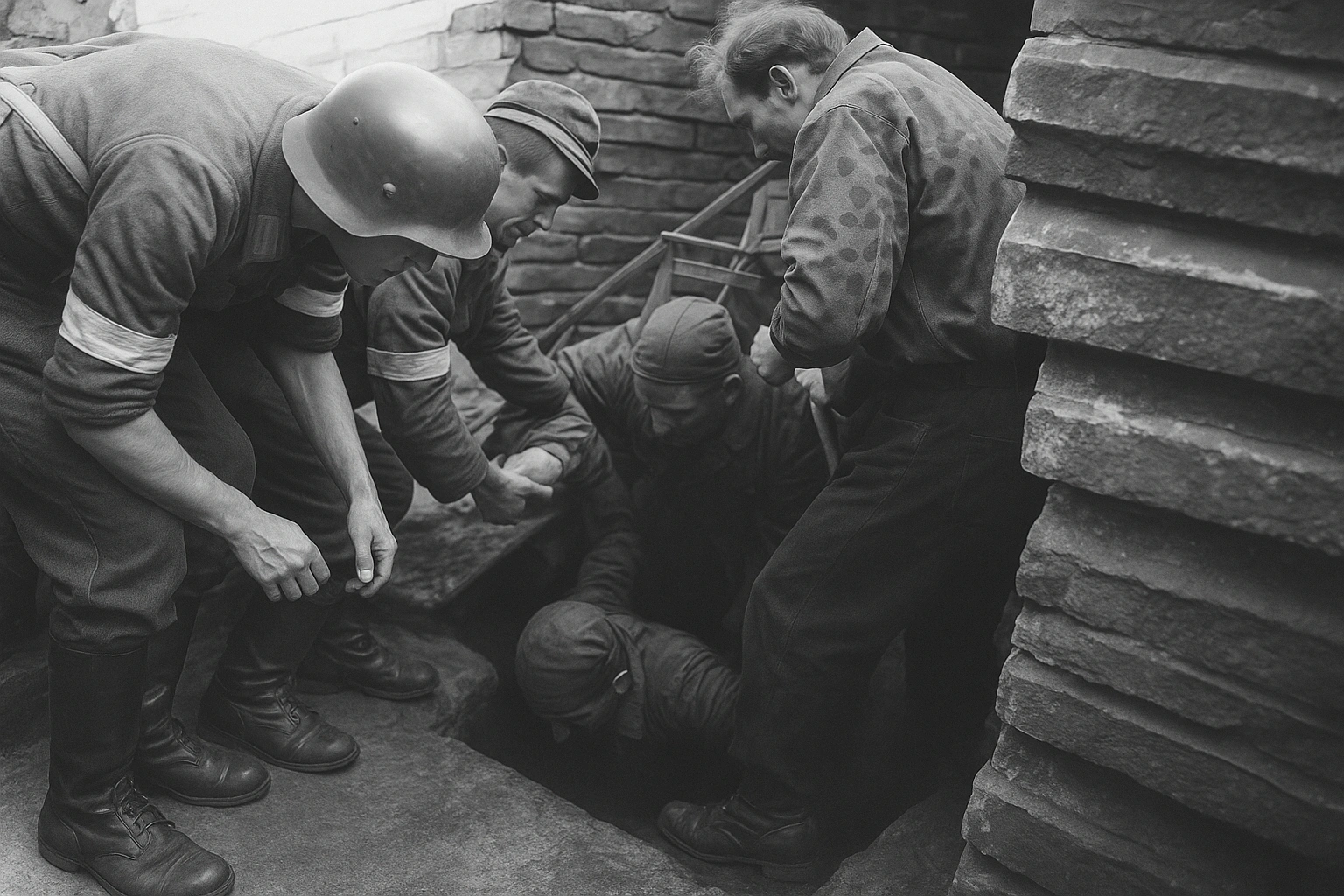
The symbolic canal entrance at the corner of Długa and Miodowa streets commemorates one of the most tragic episodes of the Uprising. The canals, which were the city's sewer system, became the insurgents' last escape route, but also a deadly trap. Thousands of people tried to pass through them, wading through darkness, water, and filth, while the Germans threw grenades and gas inside.
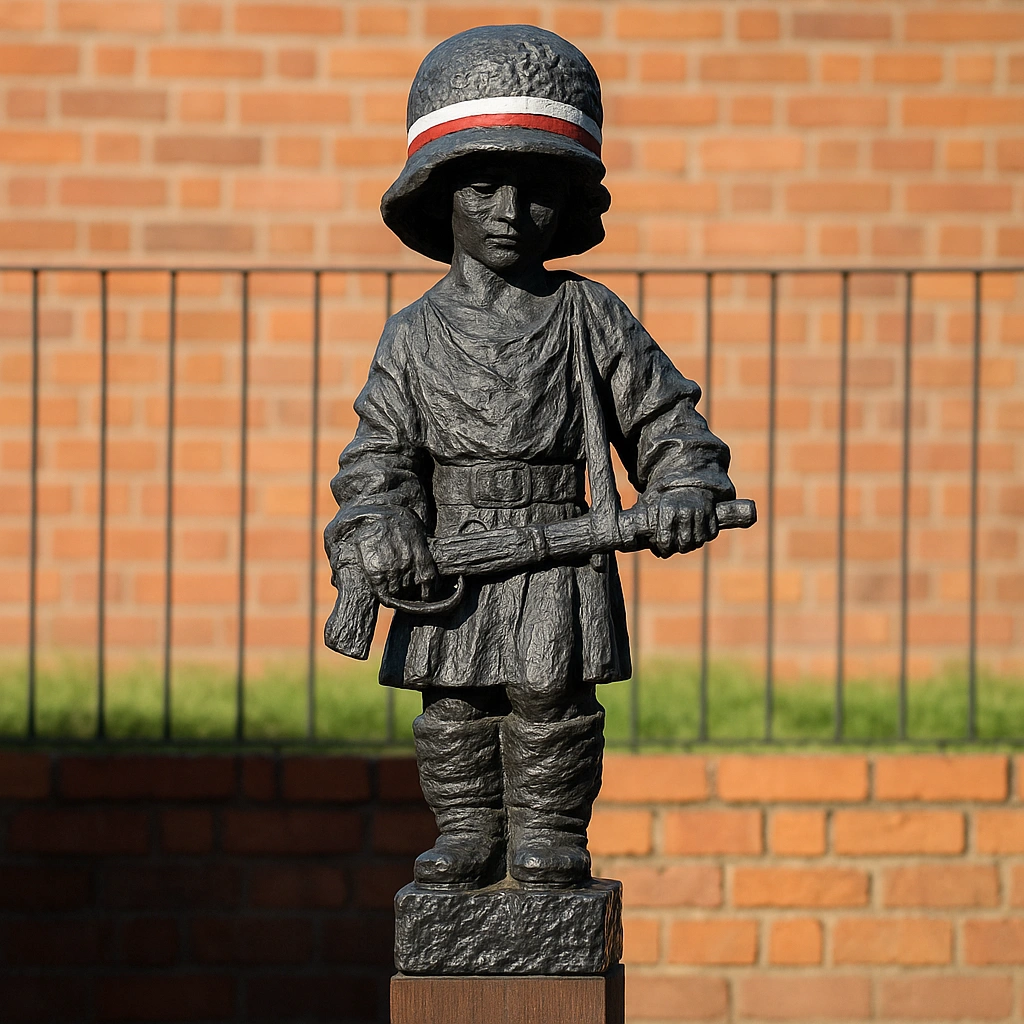
A small but incredibly moving monument near the defensive walls of the Old Town. It depicts a little boy in an oversized helmet holding a submachine gun. This is a tribute to the youngest participants of the Uprising - scouts, couriers, medics, and children who had to grow up too soon and join the fight, losing their childhood.
Professional narration in multiple languages with fascinating stories about each place.
Navigate easily with an interactive map showing all tour locations and your current position.
Read detailed descriptions and view historical photos of each location.
Discover fascinating stories, legends, and historical anecdotes about each place.
Learn about architectural styles, buildings, and monuments along the route.
Download the tour and listen without internet connection anywhere.
Listen to a sample of the audio tour to get a feel for the narration style and quality.
Listen to fascinating stories while exploring