Paris, France
Paris: The Triumphal Arch, from Napoleon to the Eiffel Tower
Discover the monumental axis of Paris, from Napoleonic glory to Belle Époque icons and symbols of modernity.
Discover the monumental axis of Paris, from Napoleonic glory to Belle Époque icons and symbols of modernity.
Discover the monumental axis of Paris, from Napoleonic glory to Belle Époque icons and symbols of modernity.
Explore each location at your own pace
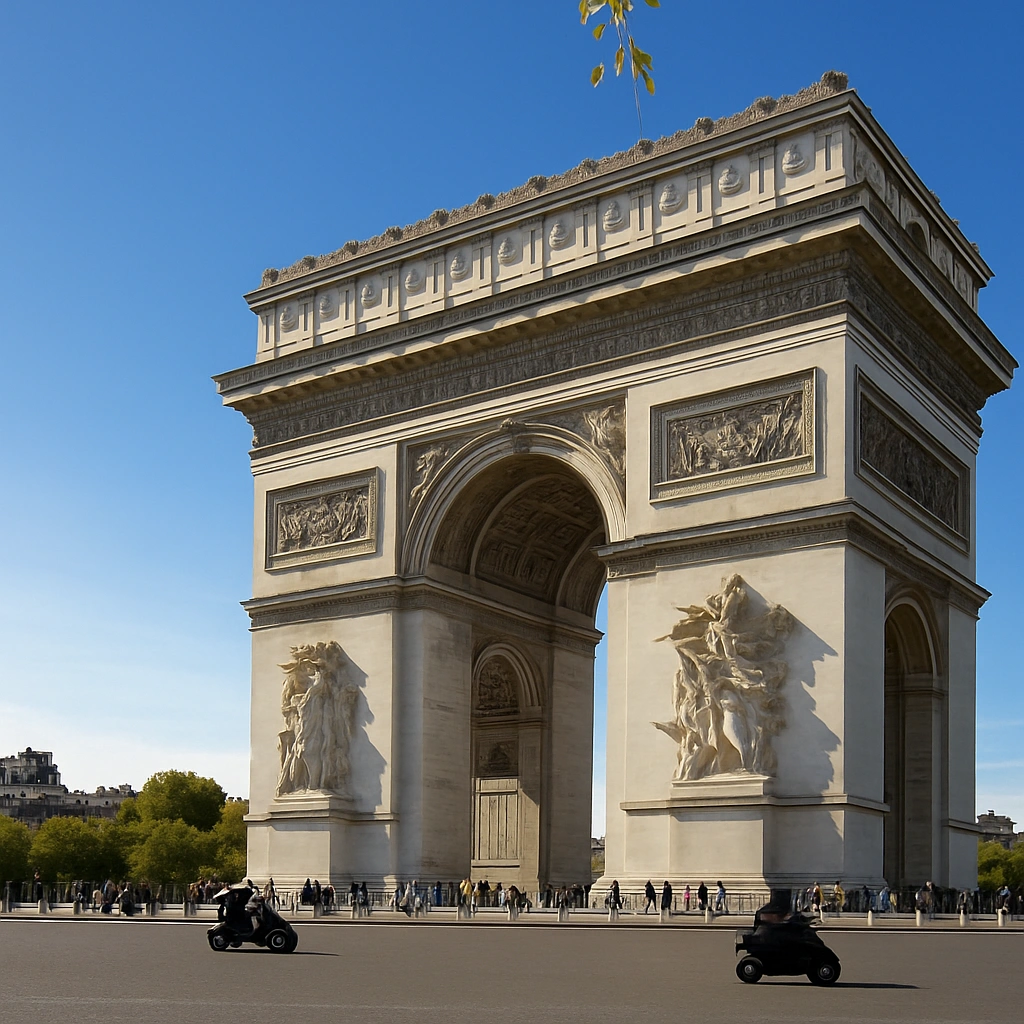
The journey begins at the epicenter of Parisian grandeur, at the Place Charles de Gaulle. The Arc de Triomphe is the ultimate symbol of Napoleon Bonaparte's military glory, a monument erected to honor his Grand Army. Commissioned after the victory at Austerlitz, its construction lasted for 30 years. The monumental bas-reliefs adorning the facades depict key moments from the period of revolution and empire. At its base lies the Tomb of the Unknown Soldier with an eternal flame, transforming the symbol of triumph into a place of homage and reflection.
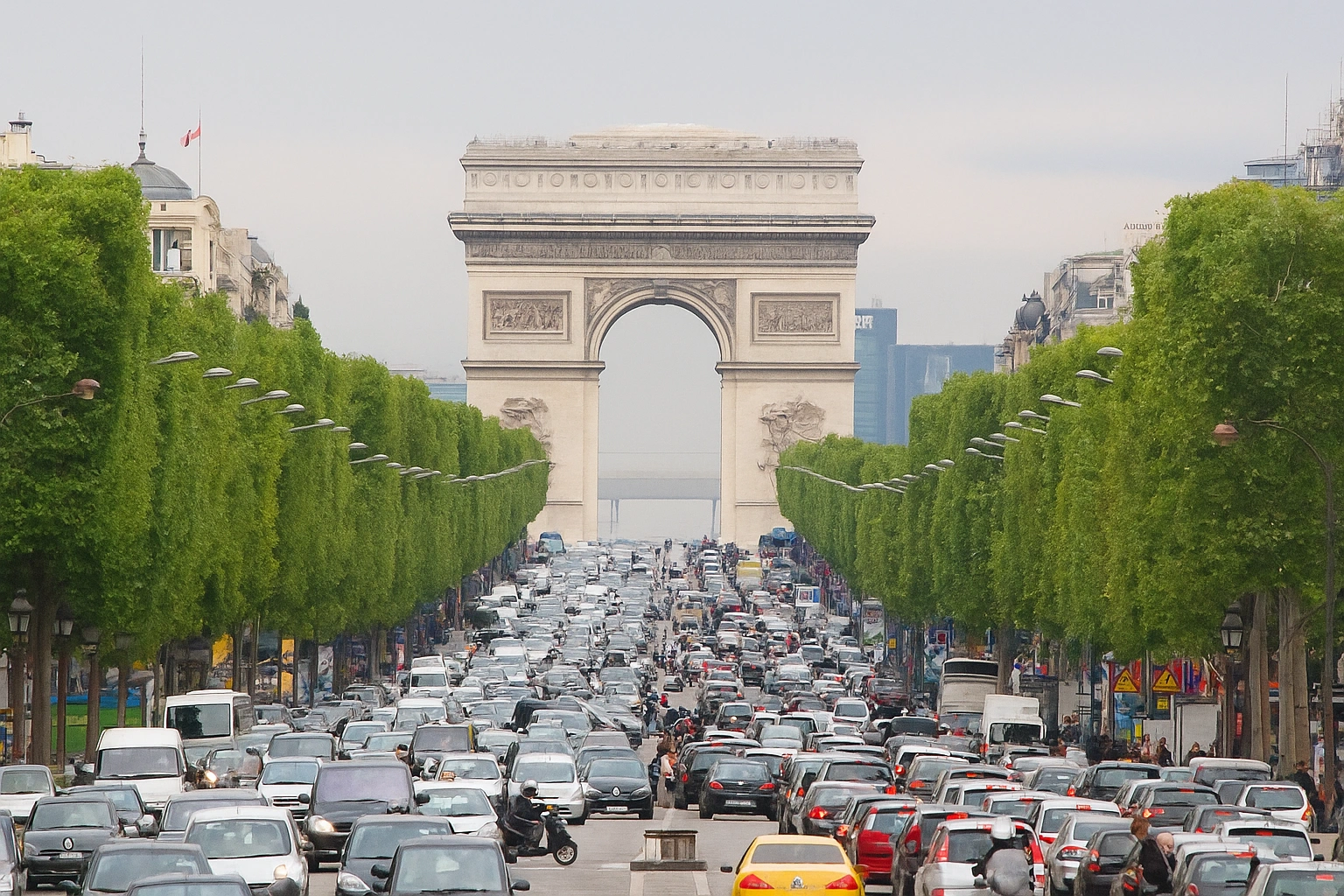
The walk down the world's most famous avenue begins at the Arc de Triomphe. Designed in the 17th century by André Le Nôtre, gardener to Louis XIV, as an extension of the Tuileries Gardens, it has evolved into the vibrant heart of Paris. Its name refers to a mythical land of eternal happiness. The avenue has been the stage for key events in French history, from the annual military parade on Bastille Day to the joyful celebration of the city's liberation in 1944. Today, it is also a global center of luxury.
At the end of the Champs-Élysées stretches the largest square in Paris, a place with a turbulent history. Created as Place Louis XV, it was intended to be a symbol of the monarchy. However, the French Revolution gave it a dark significance. Renamed Place de la Révolution, it became a place where the guillotine executed over 1300 people, including King Louis XVI and Marie Antoinette. To break away from its bloody past, an ancient obelisk from Luxor was placed in its center, a silent witness to history.

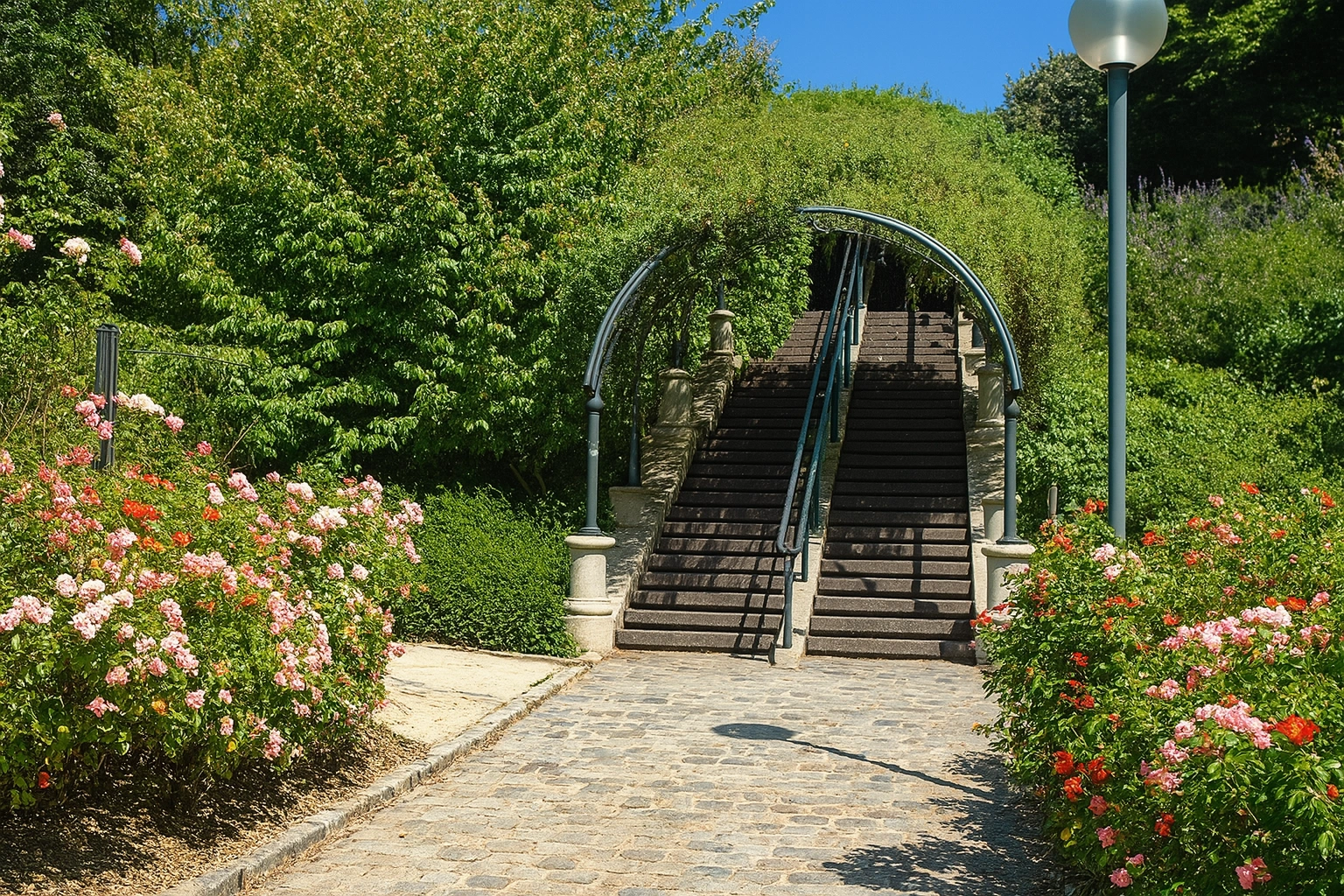
This is the only remaining trace of the magnificent Tuileries Palace, which was burned down in 1871. Its history begins in the 16th century when Catherine de' Medici commissioned the construction of an Italian-style garden. One hundred years later, André Le Nôtre, the designer of the gardens of Versailles, gave it the form of a French classical garden, with perfect symmetry and geometric pathways. Today, the Tuileries Garden is not only a place of relaxation but also a true outdoor sculpture museum.
Built on Napoleon's orders in 1806-1808, it commemorates his military victories. Originally serving as a monumental gateway to the courtyard of the now non-existent Tuileries Palace, its design, inspired by the Roman Arch of Constantine, is richly adorned with bas-reliefs. The most characteristic element is the quadriga - a chariot drawn by four horses. Originally, the horses were plundered from Venice and returned to Italy after Napoleon's fall. The ones we see today are replicas.

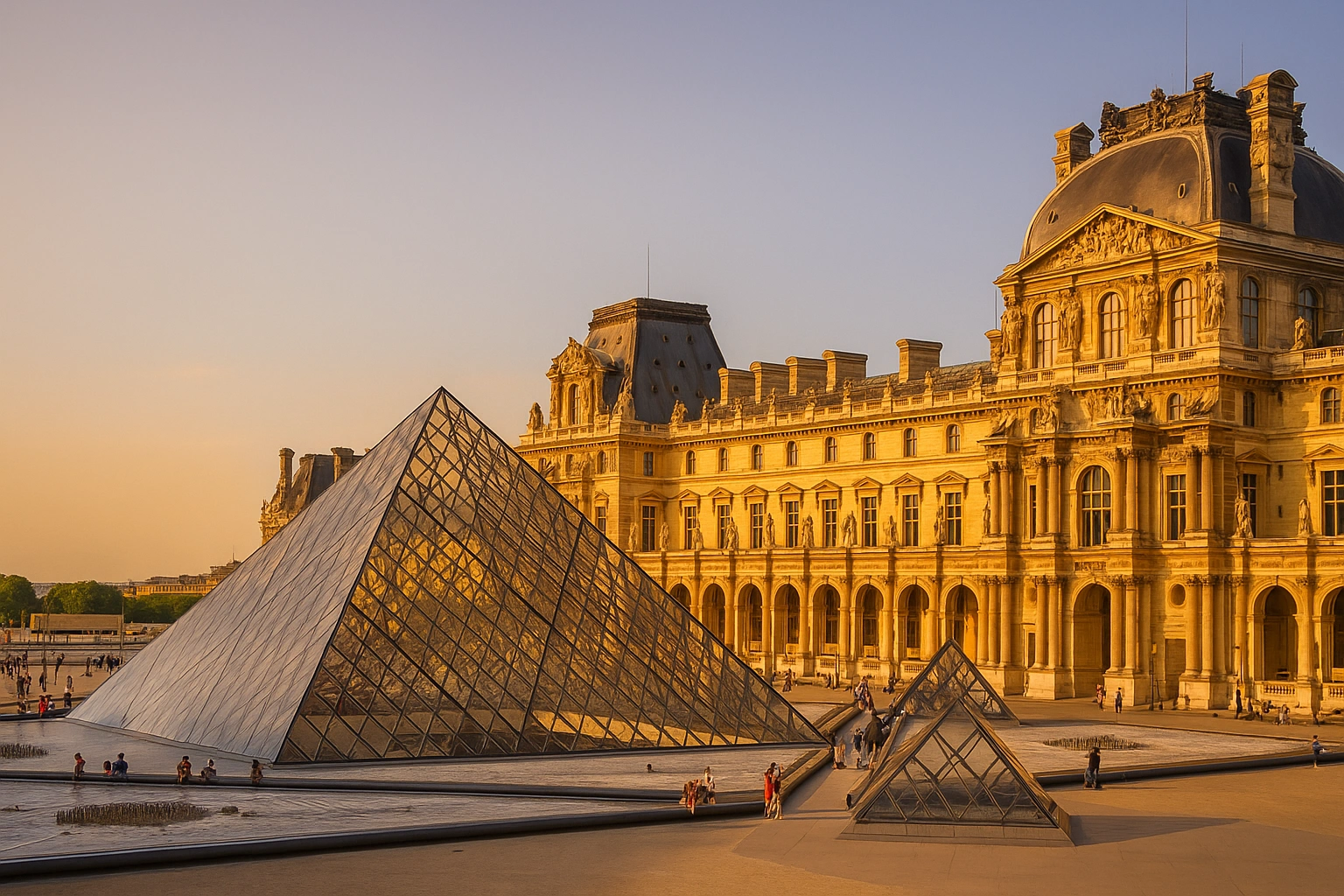
At the center of Napoleon's courtyard shines the modern face of the Louvre - the glass pyramid. Its appearance in 1989, at the initiative of President François Mitterrand, was one of the most controversial projects in post-war Parisian history. Designed by Ieoh Ming Pei, it was initially called the "scar on the face of Paris." Over the years, however, it has become an accepted and even beloved symbol of the city, a testament to the harmonious combination of history and modernity. Today, it serves as the main entrance to the museum.
Considered the most beautiful and extravagant bridge in Paris, it represents the pinnacle of the Belle Époque style. Built for the World's Fair in 1900, it was meant to symbolize the Franco-Russian alliance. Its construction was an engineering marvel - a single steel span designed not to obstruct the view. What sets it apart is its incredibly rich decoration: gilded Pegasus, nymphs, cherubs, and Art Nouveau-style lanterns, creating an impression of luxury and decadence.
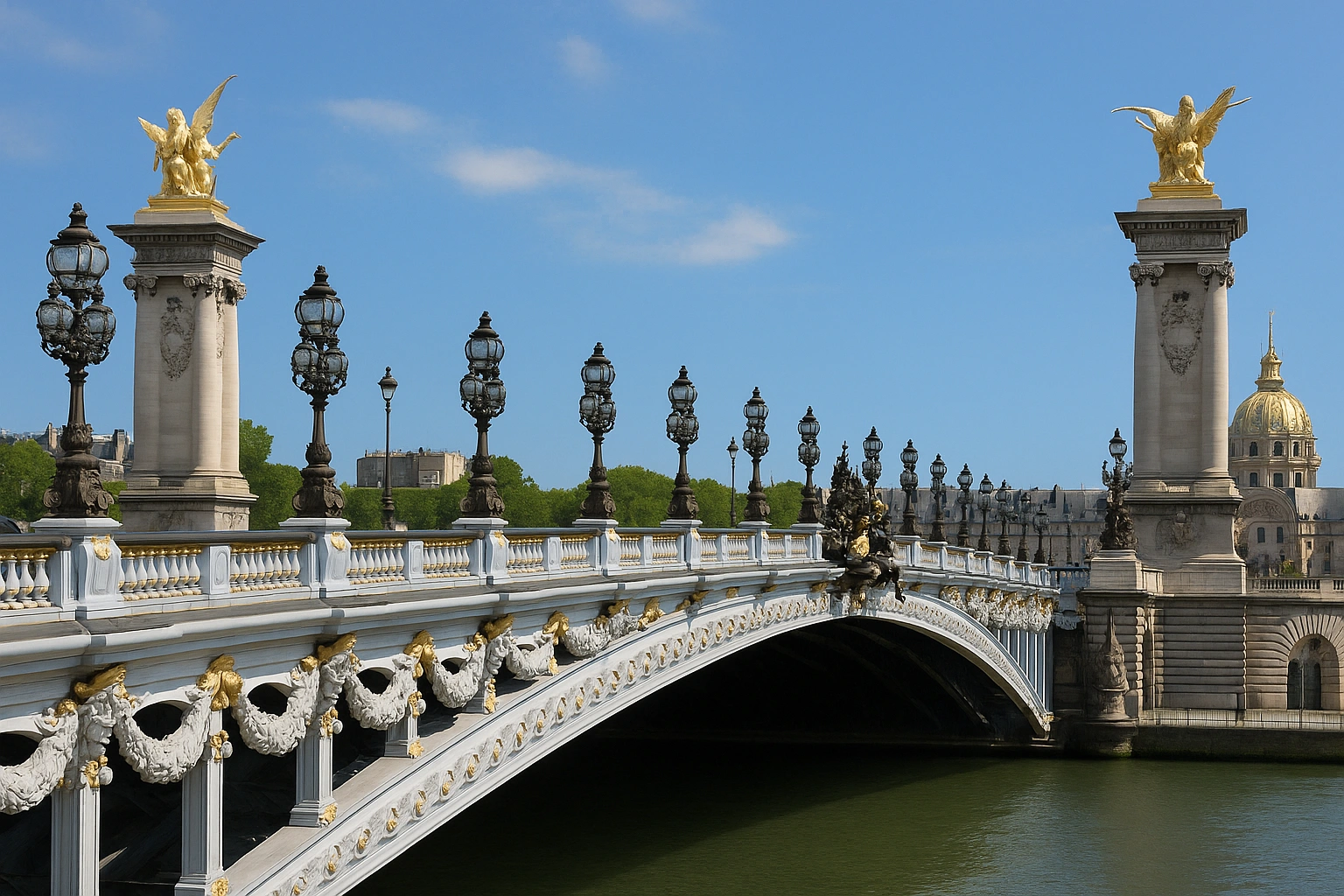
Standing on the Alexander III Bridge, your gaze is inevitably drawn to the majestic, golden dome. This is the Eglise du Dôme, the central point of the vast complex of the Invalides Palace. Built in the 17th century at the initiative of Louis XIV as a home and hospital for war veterans, today it also houses the Army Museum. However, it is under the golden dome that the monumental tomb of Napoleon Bonaparte is hidden, whose remains were brought from the island of Saint Helena in 1840. The golden dome is a shining symbol against the sky, indicating the eternal resting place of the emperor.

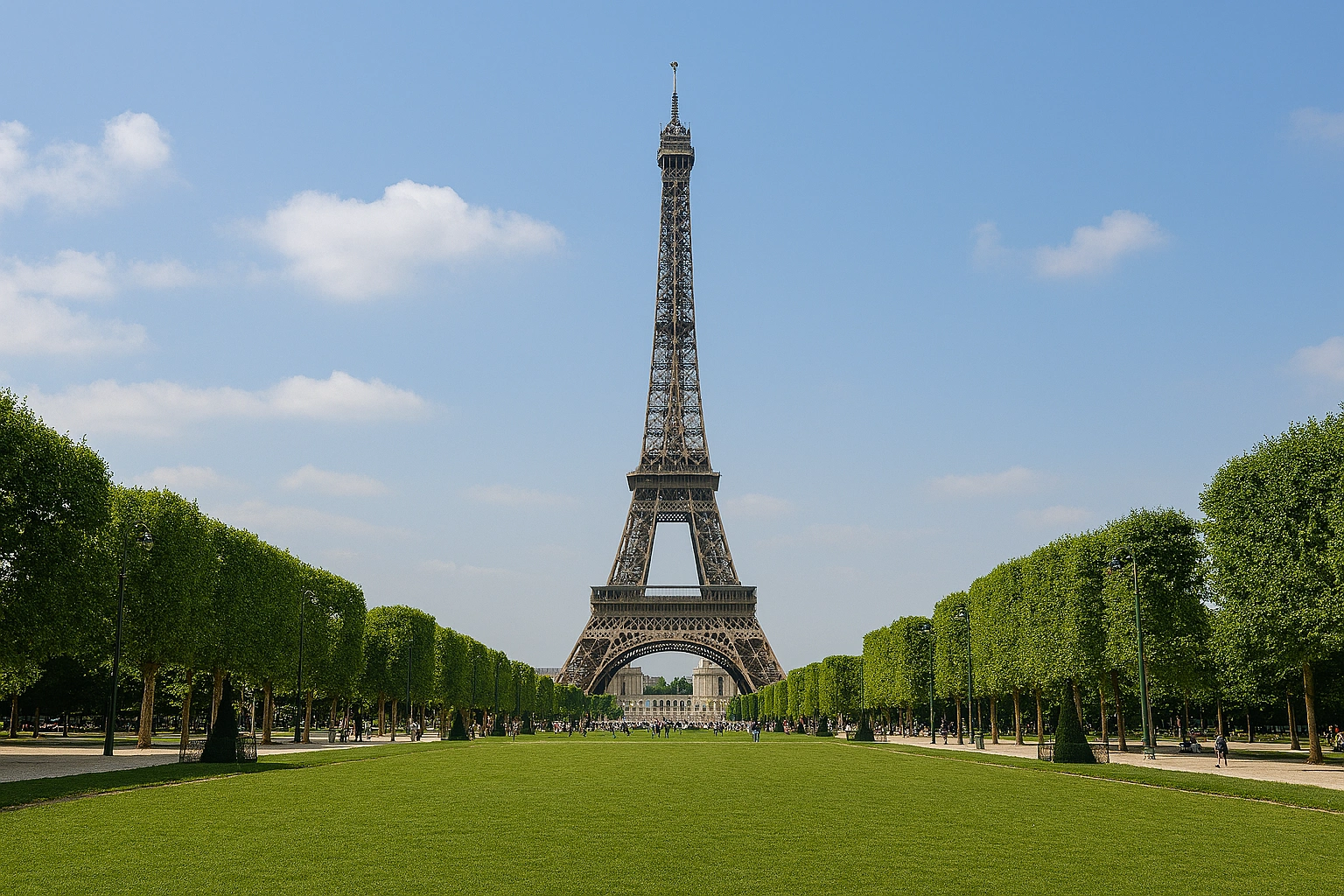
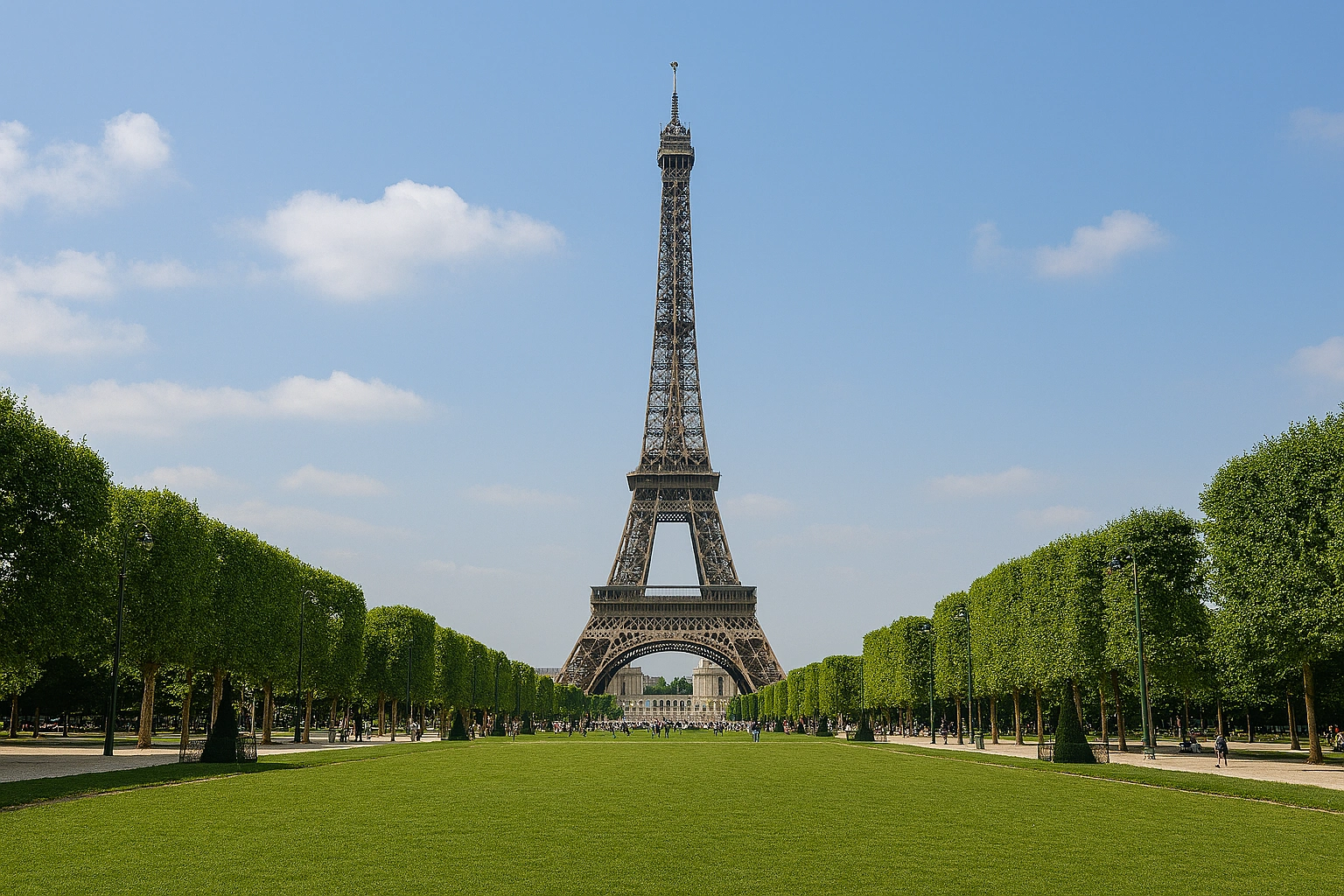
The grand finale of the route is a meeting with the undisputed queen of Paris. From Trocadéro Square stretches a classic, postcard-like panorama. Built as a temporary gate for the World's Fair in 1889, it was the pinnacle of technological possibilities but met with fierce opposition from the artistic elite, who called it a "useless and monstrous chimney." It was supposed to be dismantled after 20 years. It was saved by science - proving invaluable as a platform for experiments and a radiotelegraphic antenna.
Professional narration in multiple languages with fascinating stories about each place.
Navigate easily with an interactive map showing all tour locations and your current position.
Read detailed descriptions and view historical photos of each location.
Discover fascinating stories, legends, and historical anecdotes about each place.
Learn about architectural styles, buildings, and monuments along the route.
Download the tour and listen without internet connection anywhere.
Listen to a sample of the audio tour to get a feel for the narration style and quality.
Listen to fascinating stories while exploring