Gdańsk, Poland
Gdańsk: The Golden Route of Kings and Merchants
Follow the Royal Route to discover the secrets of the power, wealth, and dramatic history of the Hanseatic pearl of the Baltic.
Follow the Royal Route to discover the secrets of the power, wealth, and dramatic history of the Hanseatic pearl of the Baltic.
Follow the Royal Route to discover the secrets of the power, wealth, and dramatic history of the Hanseatic pearl of the Baltic.
Explore each location at your own pace
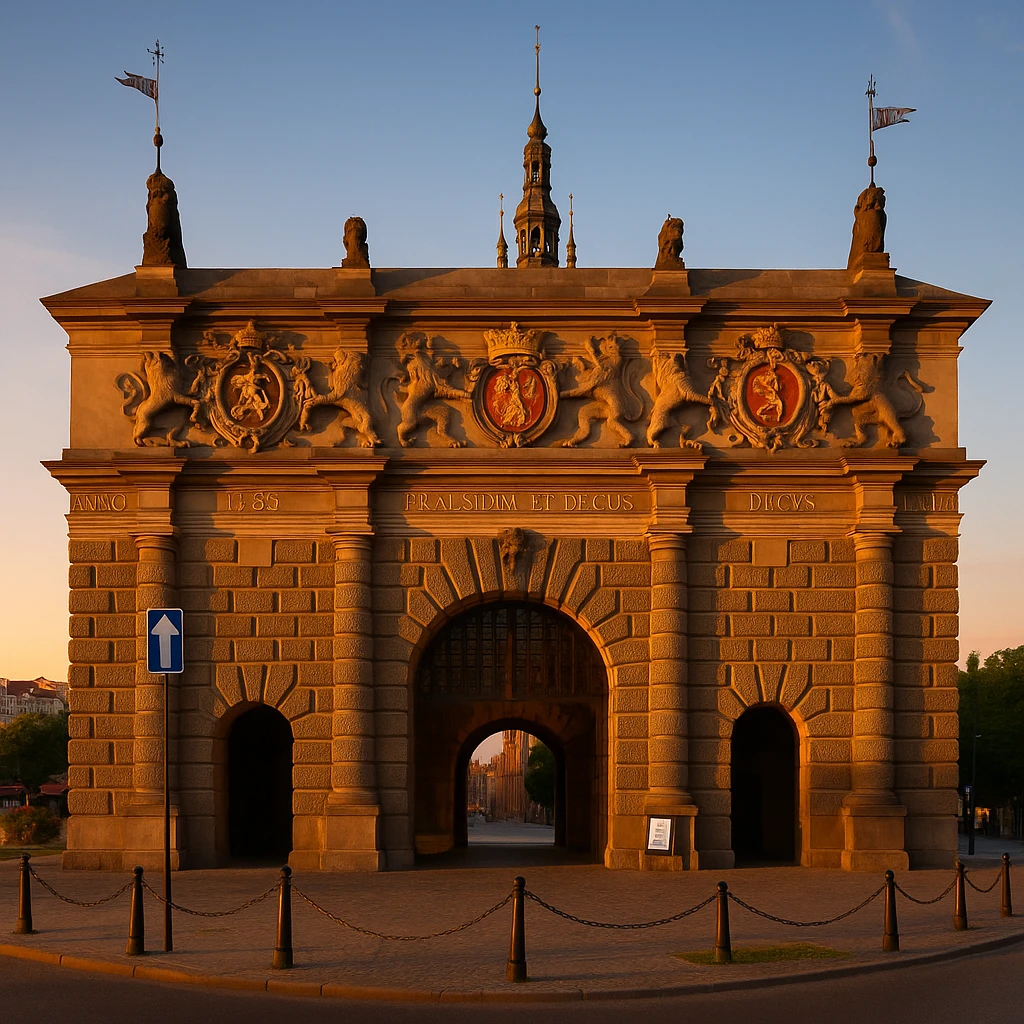
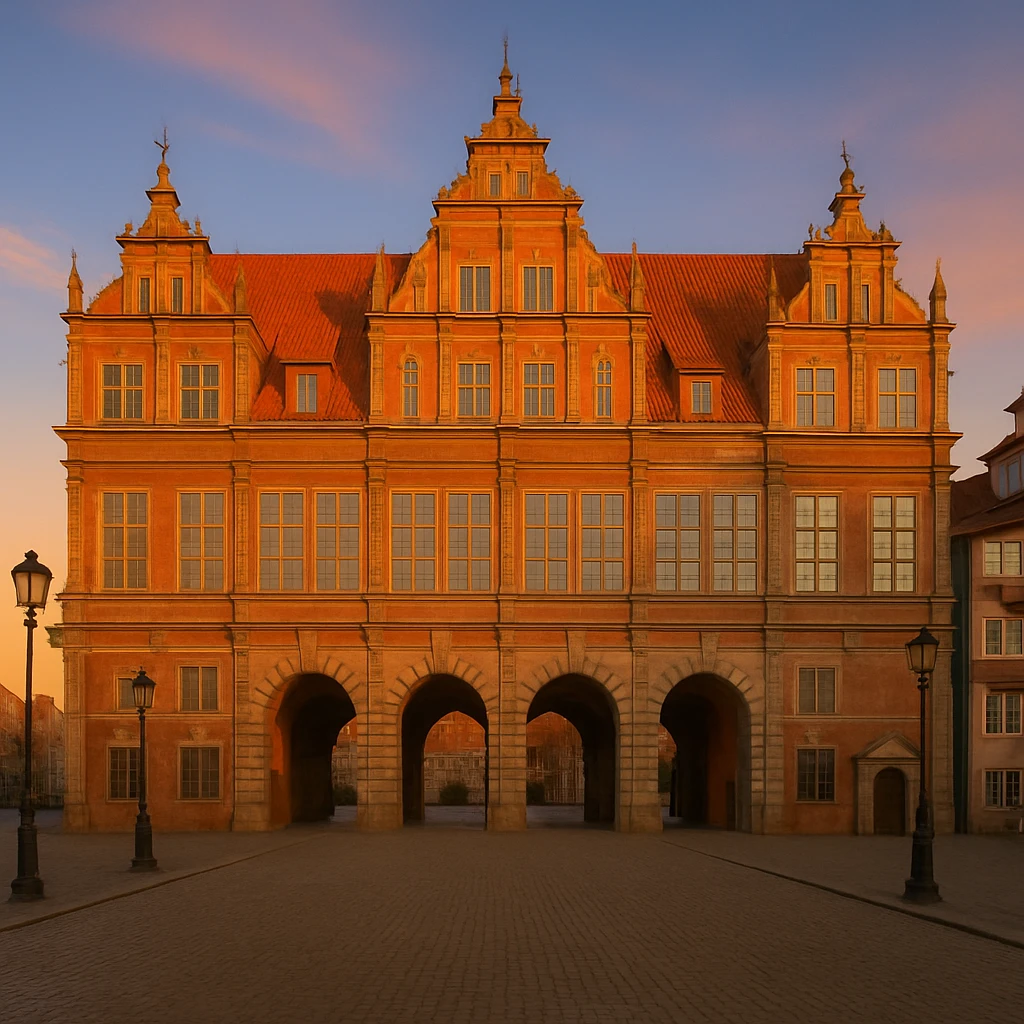
The impressive Renaissance city gate, which once served as the main entrance to Gdańsk. This is where the Royal Route began, along which Polish monarchs entered the city. Its rich decoration and powerful form were meant to showcase the wealth and strength of Gdańsk.
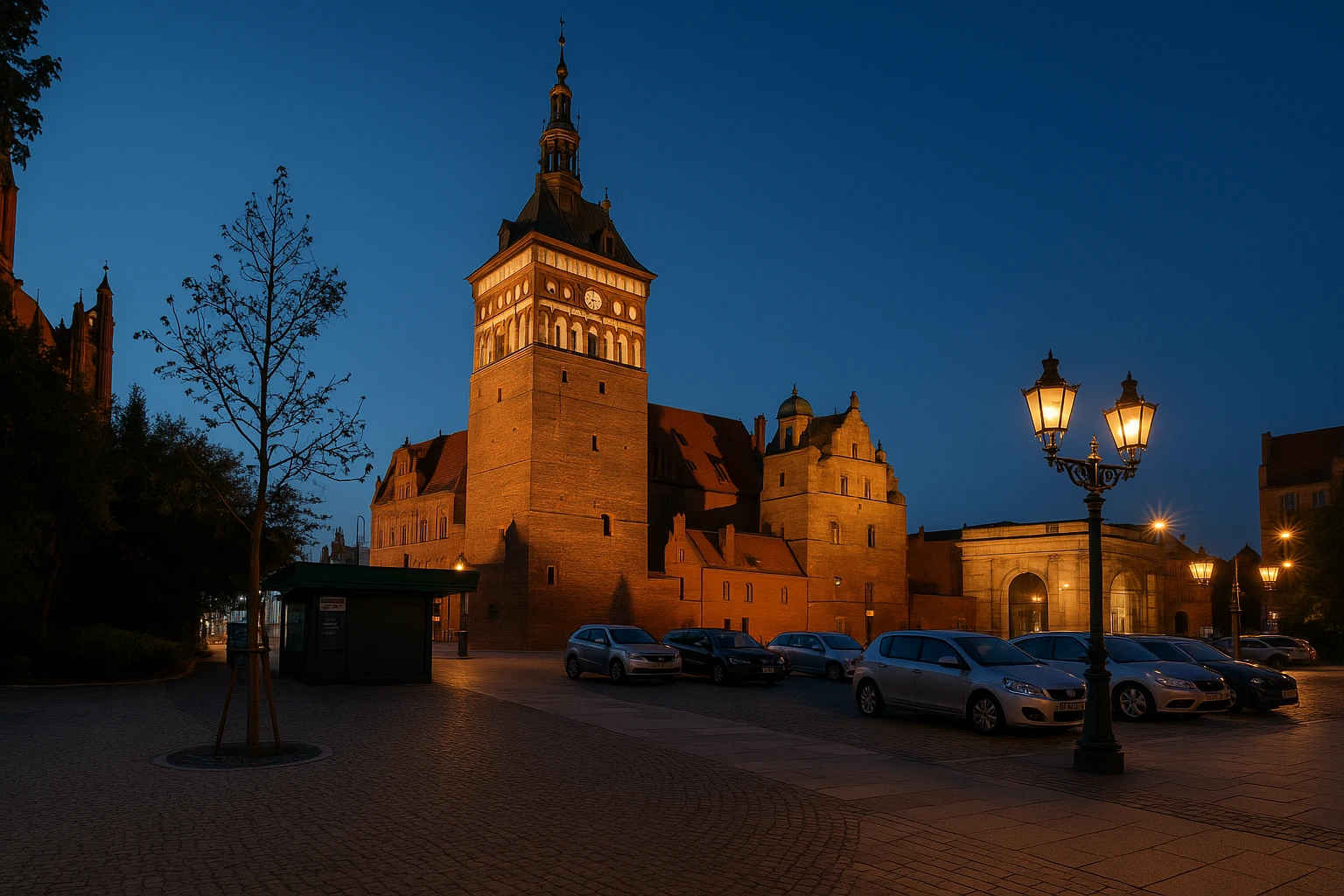
A unique defensive Gothic complex on a European scale, consisting of the Prison Tower and the Torture Chamber. Originally part of the city fortifications, it was later transformed into a prison and a place of execution. Today, the Amber Museum is located here, but the dark history of these walls still fascinates.
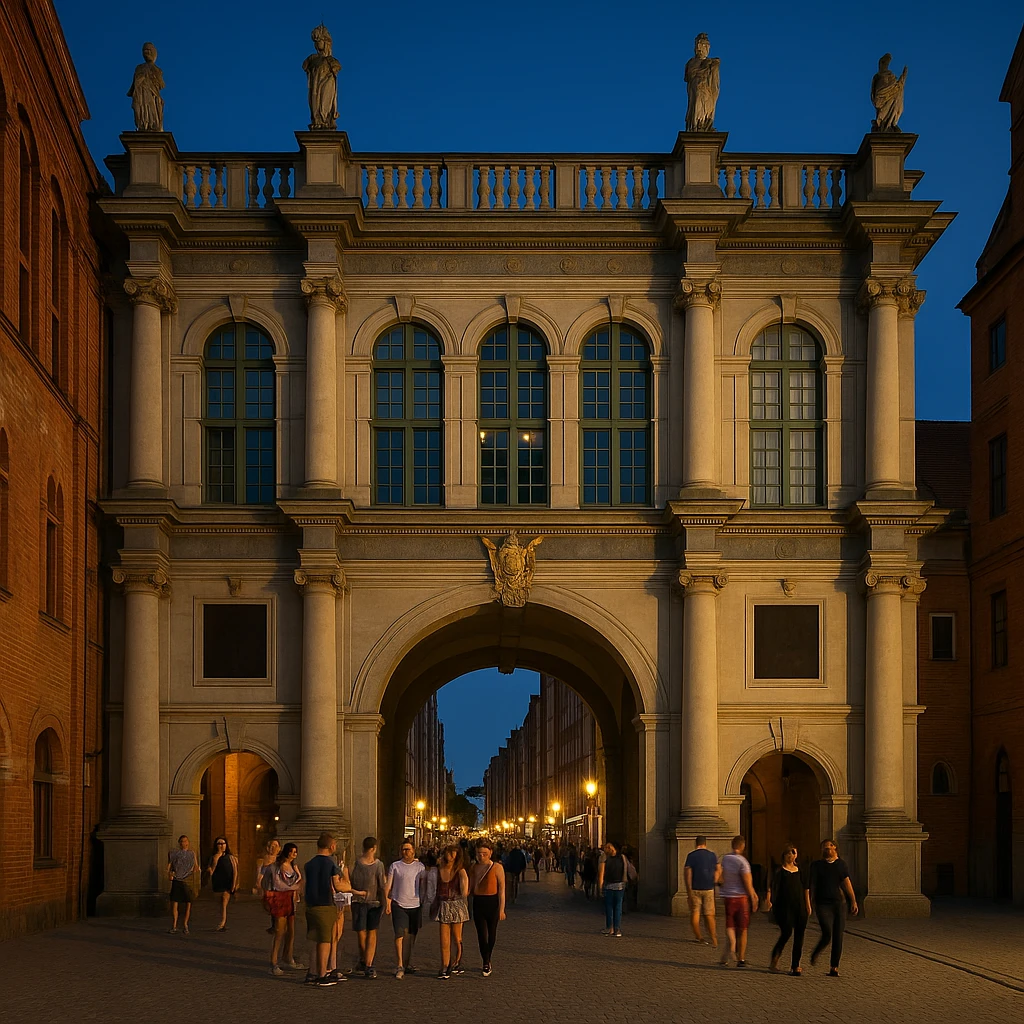
One of the most valuable monuments of mannerist architecture in Gdańsk. Built in the form of a triumphal arch, it represented a symbolic boundary of the Main Town. Its attic is adorned with allegorical statues depicting civic virtues such as Peace, Freedom, Wealth, and Glory.
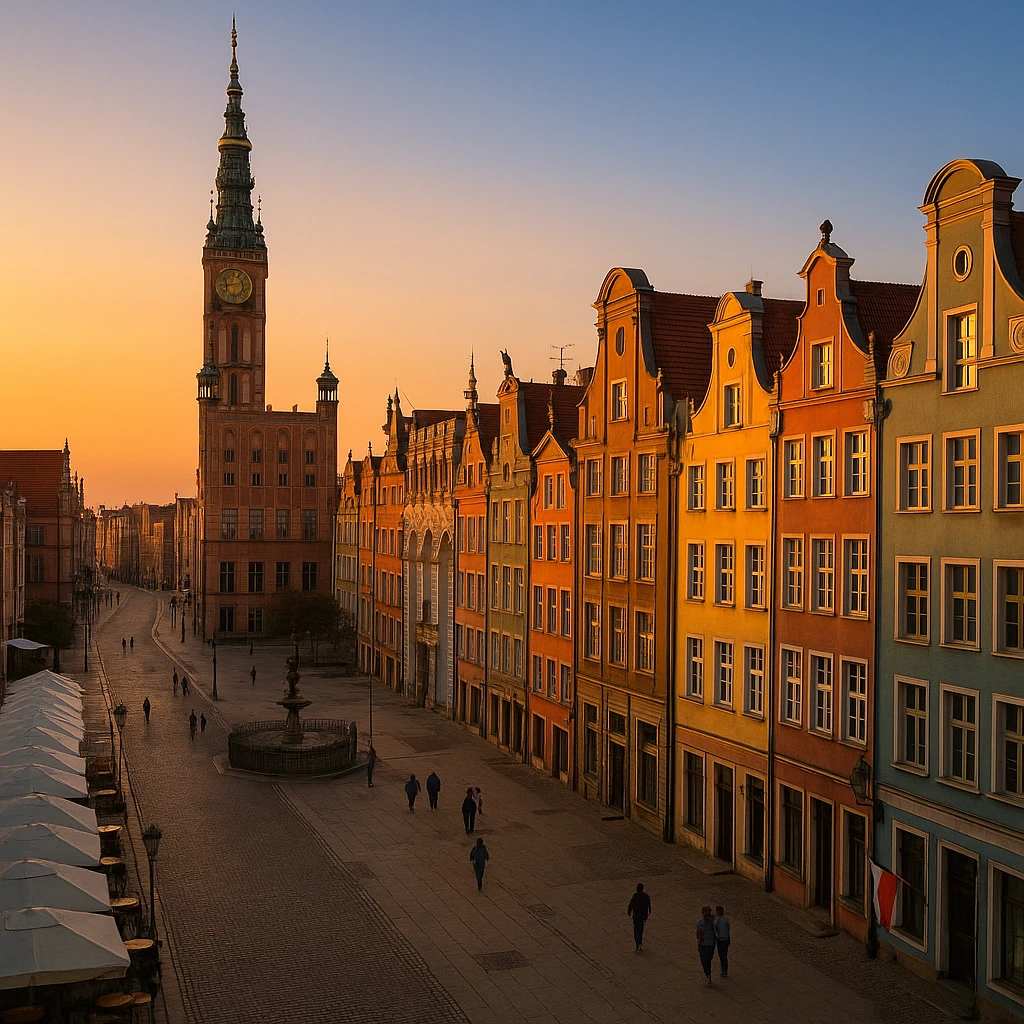
The most important artery of historical Gdańsk, surrounded by magnificent, richly decorated patrician houses. Above the street towers the majestic tower of the Main Town Hall - a Gothic-Renaissance pearl and a symbol of the power of old Gdańsk. It is here that the most important political and trade decisions were made.
The extension of Długa Street, serving as a representative market square and public forum. Here stands the famous Neptune Fountain - a symbol of Gdańsk's maritime character. It is surrounded by the most beautiful tenements in the city, including the magnificent Artus Court, which was once a meeting place for the merchant elite.
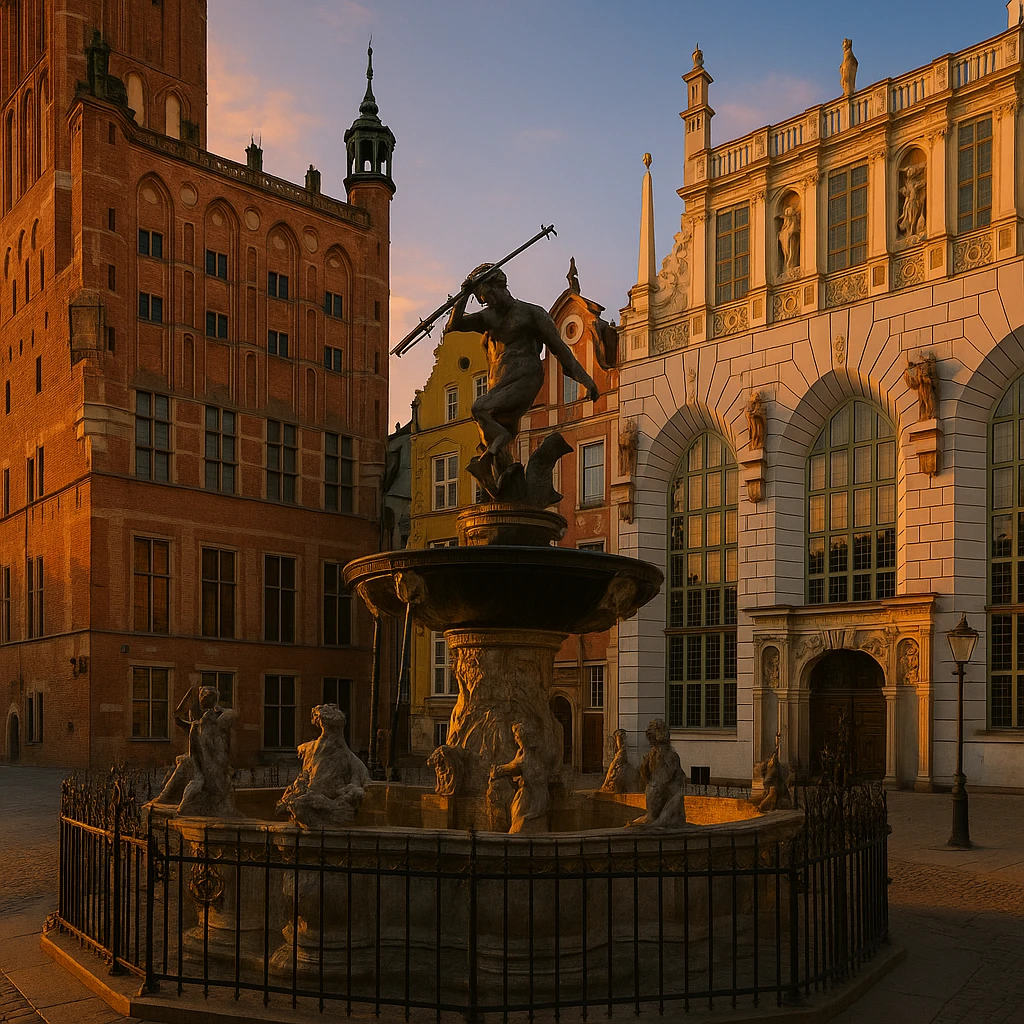
The majestic water gate, closing the perspective of the Royal Way. Built with Polish monarchs in mind, it was intended to serve as the royal residence in Gdańsk. Its style, inspired by Dutch architecture, sets it apart from other Gdańsk gates. Today, it is a branch of the National Museum.
The picturesque promenade along the Motława River, the heart of Gdańsk port. Once a bustling cargo square, today a favorite spot for walks for Gdańsk residents and tourists. Cruise ships dock along the waterfront, while restaurants, cafes, and amber galleries are housed in restored tenement houses and water gates.
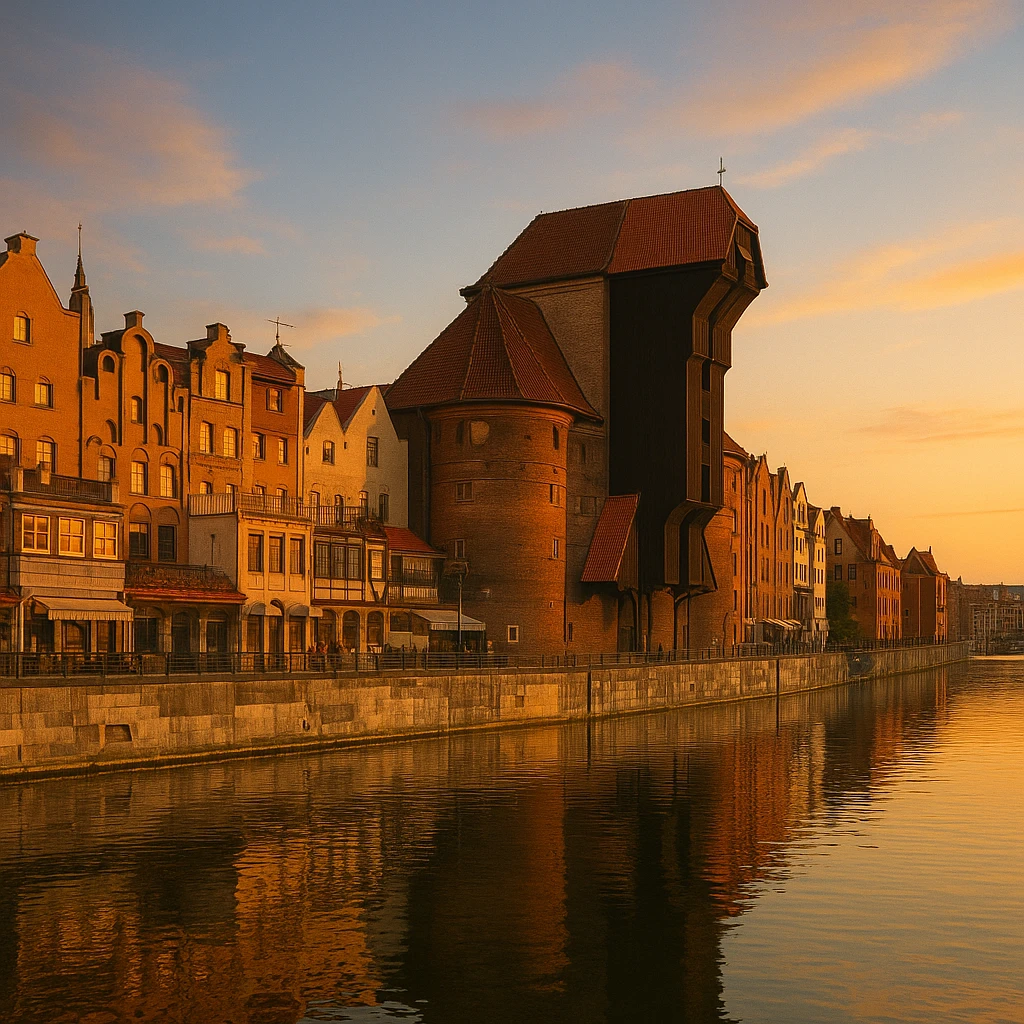
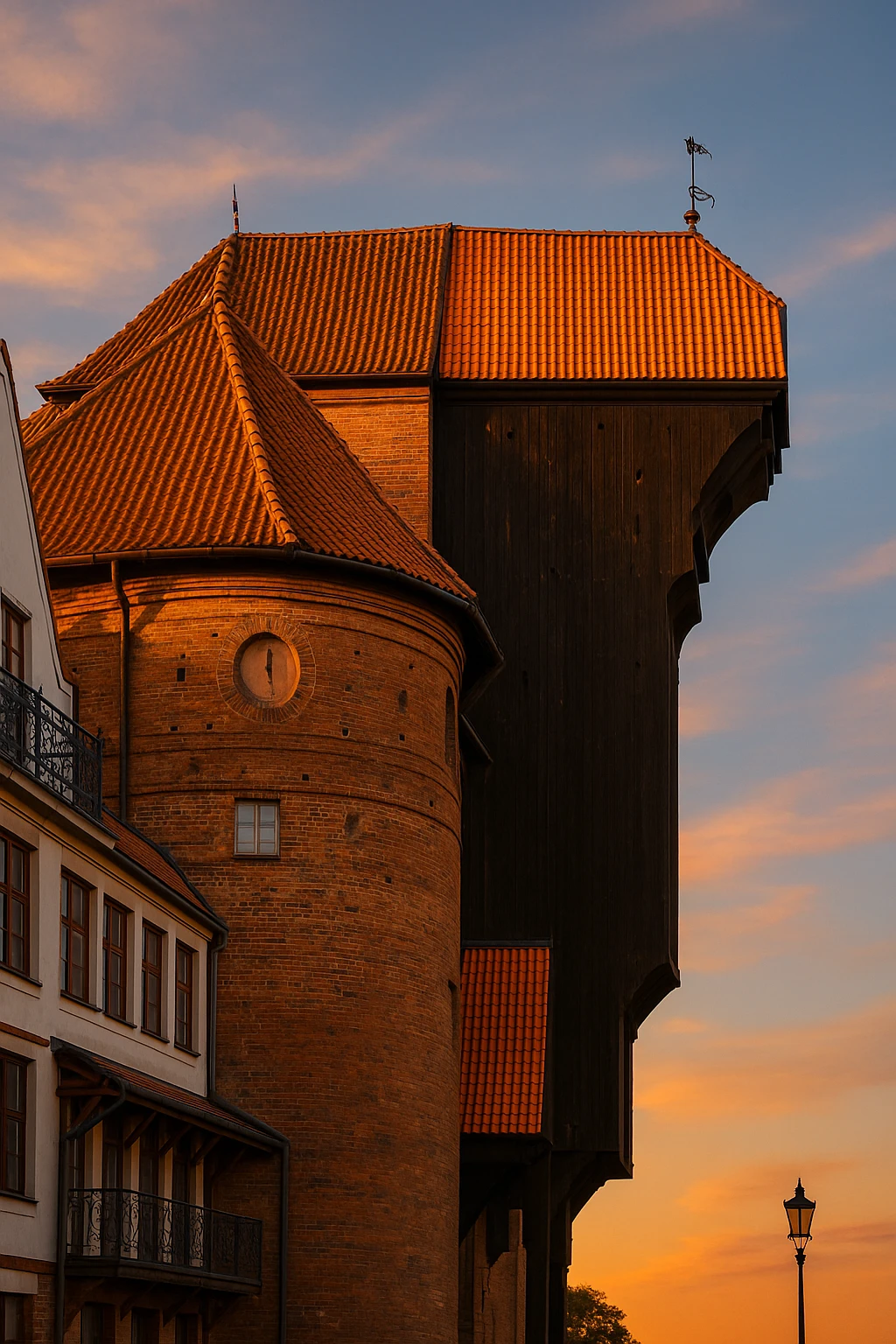
The most characteristic symbol of Gdańsk and the largest port crane in medieval Europe. This monumental, wooden-brick structure served a triple function: as a loading crane, a machine for erecting masts on ships, and a city gate. Inside, there are huge wooden wheels powered by the force of human legs.
Considered one of the most beautiful streets in Gdańsk, perhaps even in Europe. It leads from St. Mary's Gate over the Motława River to the monumental St. Mary's Basilica. Its unique atmosphere is created by a narrow, cobbled roadway, rows of tenement houses with characteristic porches, and numerous amber workshops and galleries.
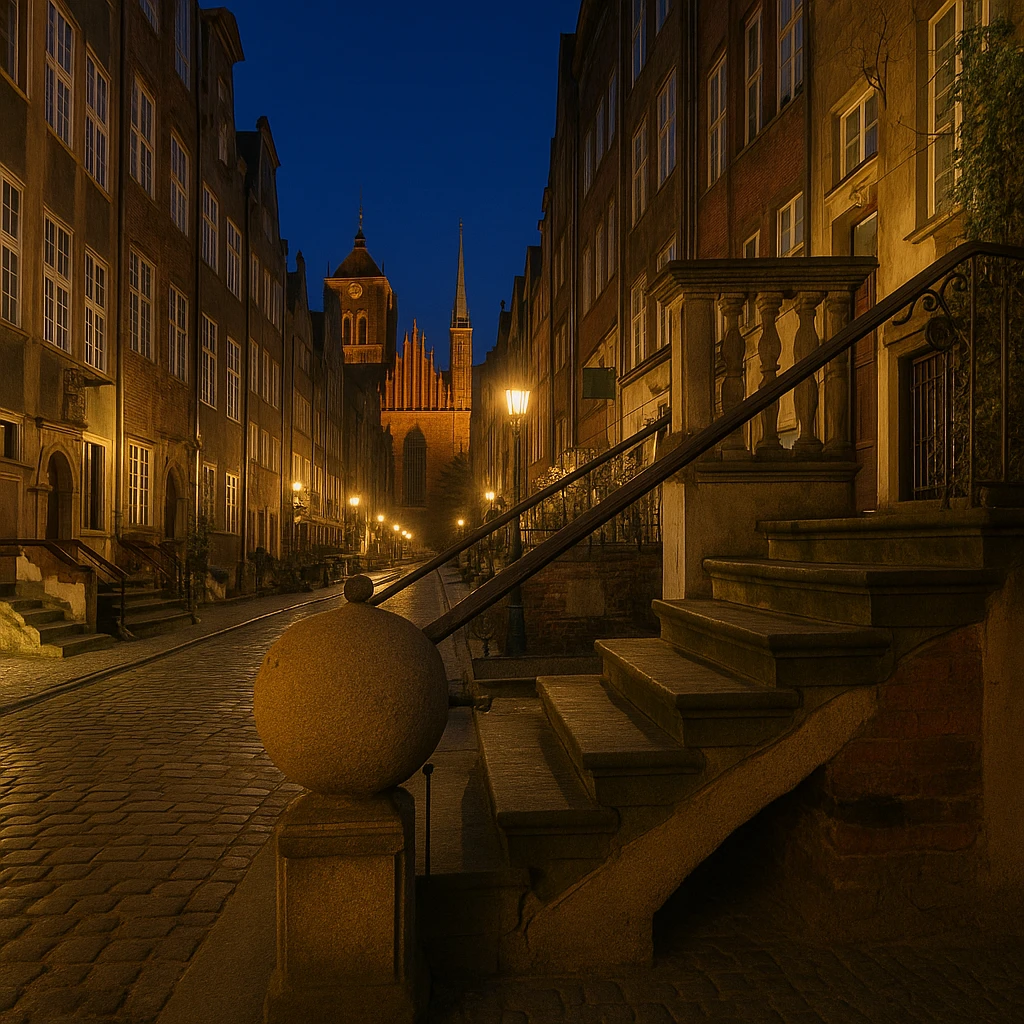
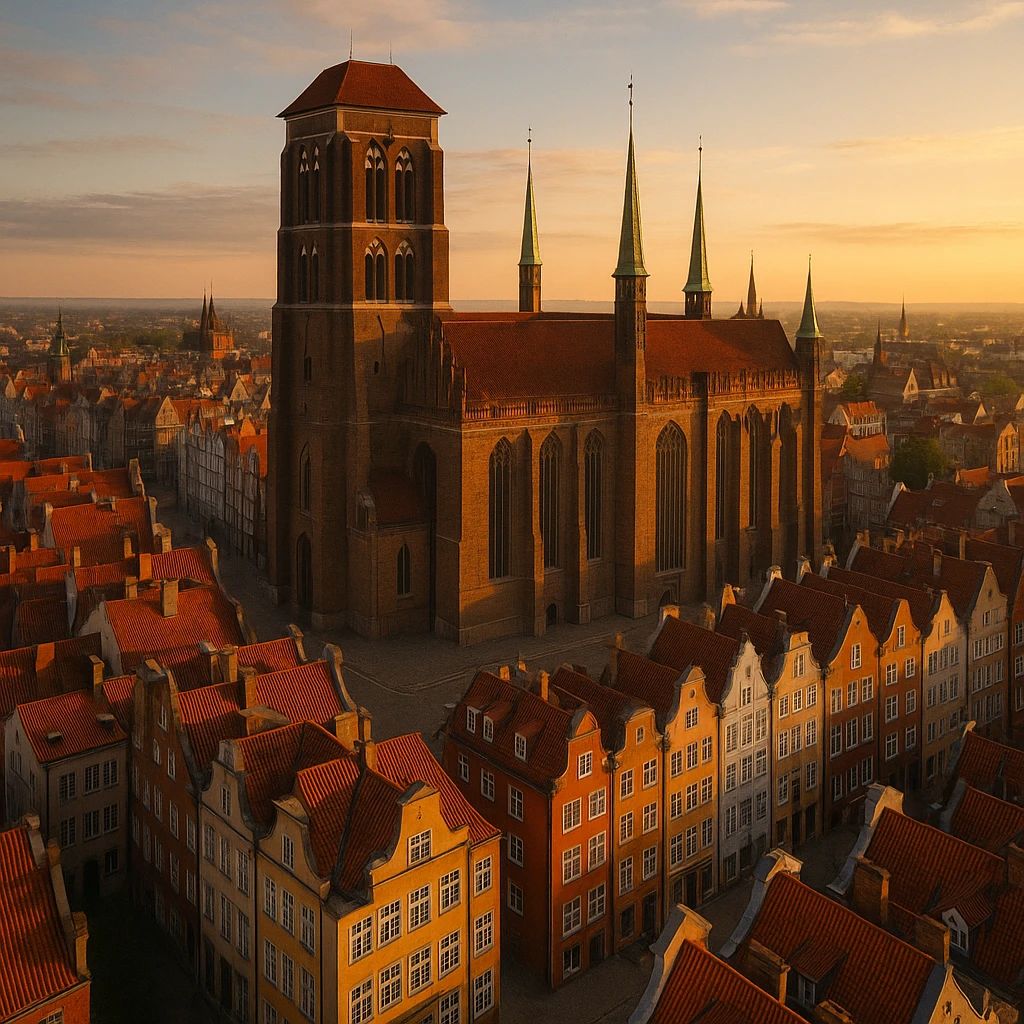
One of the largest and most important brick churches in the world, known as the 'crown of Gdańsk'. Its monumental structure dominates the city skyline. Inside, it houses priceless works of Gothic and Baroque art, including the famous astronomical clock and a replica of Hans Memling's 'Last Judgment'.
Professional narration in multiple languages with fascinating stories about each place.
Navigate easily with an interactive map showing all tour locations and your current position.
Read detailed descriptions and view historical photos of each location.
Discover fascinating stories, legends, and historical anecdotes about each place.
Learn about architectural styles, buildings, and monuments along the route.
Download the tour and listen without internet connection anywhere.
Listen to a sample of the audio tour to get a feel for the narration style and quality.
Listen to fascinating stories while exploring